
Substandard or inadequate housing in Europe
This housing phenomenon covers a range of different situations. What obstacles do people excluded from ordinary housing encounter and what is their daily life like?
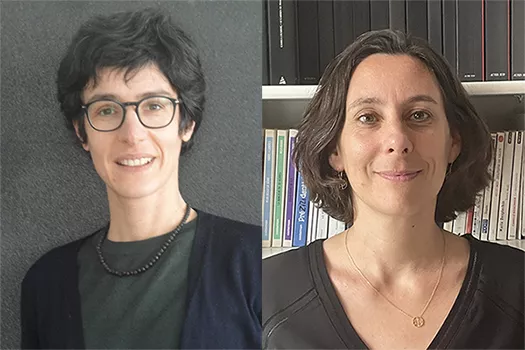
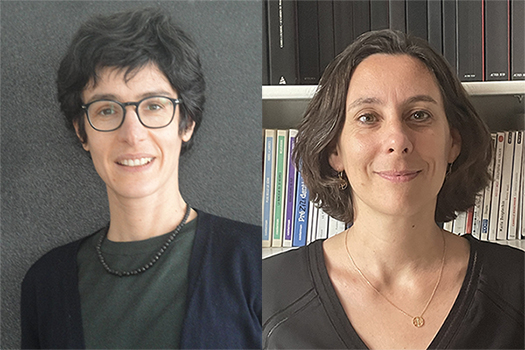
INED researcher Pascale Dietrich-Ragon and sociologist Marie Loison edited La face cachée du mal-logement [The hidden reality of living in substandard housing: a survey at the margins of ordinary housing].
What does the term “substandard or inadequate housing” [mal-logement] refer to? What situations does it cover?
Inadequate or substandard housing is a generic term that refers to a wide variety of situations, including unsanitary accommodation, overoccupancy, non-formalized (illegal) occupation, and being unhoused altogether. This book focuses on a relatively narrow category: people excluded from what is called logement ordinaire. They may be unhoused (that is, living on the street or any other place not intended for human habitation), in institutional facilities of different types, trailers, yurts, or squats. One aim of the book was to explore the most marginal and least visible situations; for example, people who do not turn to aid services and live in places that surveys usually cannot reach, such as secluded rural areas. Many precarious housing situations are below society’s radar and receive very little media coverage. This is the case for people living year-round on camping sites—a way of life we know very little about.
Can you describe the profile of these unhoused people?
They share certain features that do not change over time. As might be expected, these are people of lower or working-class background with little education and generally precarious lives. Family and marital break-up and dislocation as well as disconnection from paid work are also recurrent in this group. However, the most marginalized among them, especially the homeless, have markedly less in the way of family contact than any other category: they receive no family support, and their trajectories are what could be called hyper-institutionalized (time in child protection services, institutional facilities of one kind or another, contact with social workers, etc.). Violence is also recurrent. An increase in the number of people with ties to immigration has also been observed recently: because there are not enough openings in the facilities designed to receive them, these people end up depending on homeless services. Overall, the issue of unhoused people sheds light on the widening of social inequalities in French society as well as flaws in existing social policies and increasingly inhospitable immigrant reception policies.
How do people excluded from housing live on a daily basis? What assistance entities can they turn to?
Here it is important to distinguish between people who have their own place to live and people living on a more or less permanent basis in institutional shelters and facilities, as those experiences are very different. Living on the street requires extremely time-consuming “survival work.” The person has to get themselves to various aid facilities, beg to procure resources, put in requests for emergency shelter, etc. However, many homeless people live in facilities designed to house them, and some have jobs. For these men and women, finding a place of their own to live proves extremely complicated given the current shortage of housing and fierce competition for available units. In the end, being homeless involves a great deal of real work. To ensure subsistence and to even hope to find a place—or another place—to live for at least a while, these people have to be in continued contact with institutions and advocacy organizations and constantly reiterate administrative formalities.
The main means of moving beyond homelessness is subsidized housing, which is why it is so important to support ambitious policies of social housing construction for particularly disadvantaged persons. It is also necessary to ensure their access to more continuous guidance. Many persons are shunted back and forth between facilities, receive no long-term follow-up or accompaniment, and end up repeatedly on the street. This short-term policy approach creates disillusion, with the result that homeless people stop turning to assistance services they have a right to.